| 08:00 - 18:00 | Registration open at hotel |
| 09:00 - 09:00 | Introduction and Anti-Trust and Competition Law Guidelines. |
| 09:05 - 10:45 | Airlines Fuel Committee |
| 10:45 - 11:05 | Coffee Break |
| 11:05 - 12:45 | Airlines Sustainability Committee |
| 12:45 - 14:00 | Lunch |
| 14:00 - 15:00 | Net Zero Aviation in Latin America and the Caribbean: Pathways and Trade-Offs - Results Presentation of the outcomes from the regional study, highlighting recommendations, and next steps. The impact of cross-border collaboration among industry stakeholders will be analyzed. |
| 15:00 - 15:30 | Seminar: Fueling the Skies Smarter: Digital Transformation in Jet Fuel Lifecycle |
| 19:00 - 22:00 | Airlines Private Dinner |
| 09:00 - 09:25 | Official Opening Ceremony - Opening Remarks |
| 09:25 - 09:30 | Introduction and Anti-Trust and Competition Law Guidelines. |
| 09:30 - 10:30 | Aviation and Climate Futures: Criteria, Local Opportunities, and Policy Perspectives Opening panel exploring the future of aviation in the context of climate change. The session will analyze sustainability criteria, local production opportunities for alternative fuels, and the impact of public policy on sector decarbonization. 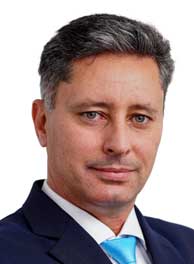 Cesar Pereira · EMBRAER S.A. Cesar Pereira · EMBRAER S.A. Karen Walker · ATW Air Transport World Karen Walker · ATW Air Transport World Francisco Medela · ACI LAC Francisco Medela · ACI LAC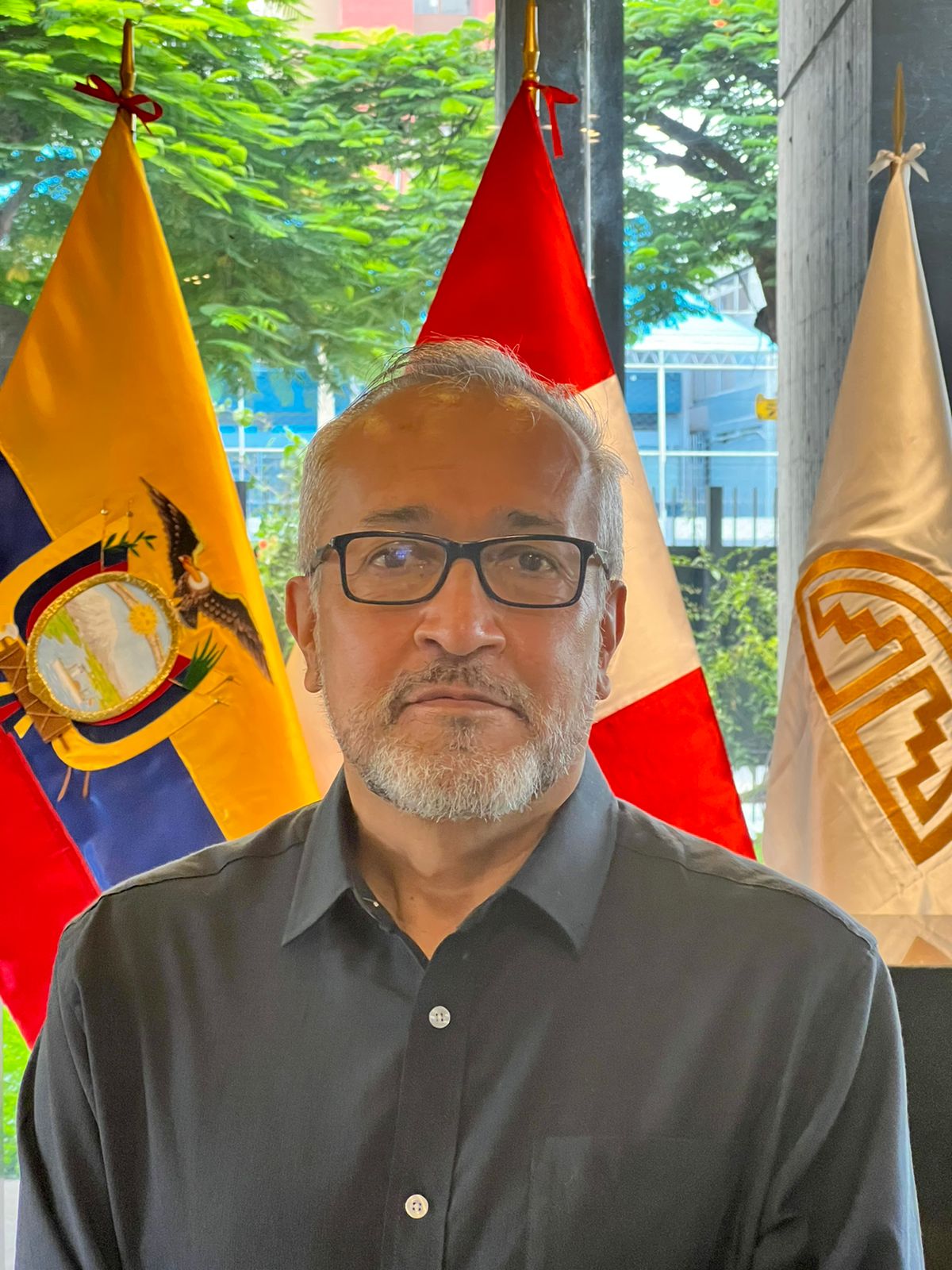 José Chamorro · Comunidad Andina José Chamorro · Comunidad Andina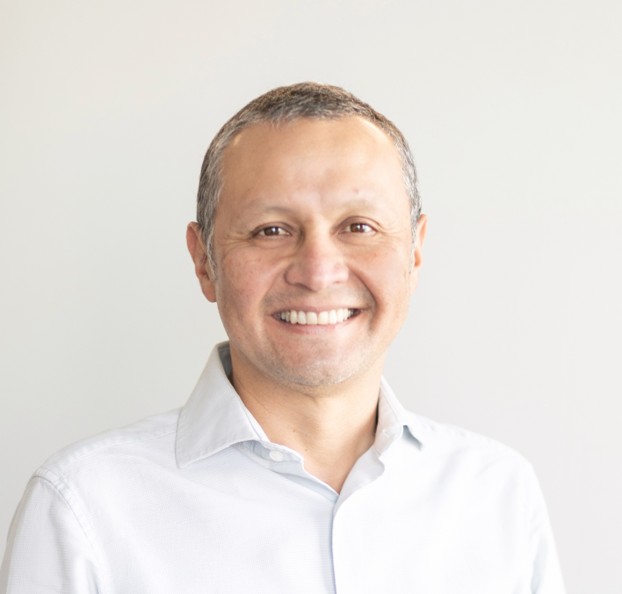 Carlos Aya · ABRA Group Carlos Aya · ABRA Group |
| 10:30 - 11:15 | Refreshment Break Official Event Photo |
| 11:15 - 11:45 | Jet Fuel 360: Building a Resilient and Sustainable Supply Chain This panel will deliver a comprehensive strategic view of jet fuel challenges and opportunities across Latin America and the Caribbean. It will address critical issues such as availability, cost pressures, and logistics, while analyzing bottlenecks from refining to intoplane operations. Experts will share regional collaboration experiences and best practices to overcome logistical, technological, and regulatory hurdles.  Claudia Tovar · Word Fuel Services Claudia Tovar · Word Fuel Services Heriberto Castro · Copa Airlines Heriberto Castro · Copa Airlines |
| 11:45 - 12:30 | Net Zero Aviation in Latin America and the Caribbean: Pathways and Trade-Offs This presentation will unveil the strategic scenarios from the regional study aligned with ICAO’s Long-Term Aspirational Goal (LTAG), showcasing how Latin America and the Caribbean can advance aviation decarbonization without compromising connectivity or competitiveness. Through a forward-looking lens, the presentation will explore technical, economic, and policy pathways, emphasizing the critical role of operational efficiencies as an immediate lever to reduce emissions, optimize costs, and build sector resilience. |
| 12:30 - 13:45 | Lunch |
| 13:45 - 14:45 | Operational Efficiency: The Key Role of Governments in Latin American and Caribbean Aviation This panel will explore how operational efficiency can transform aviation across the region, emphasizing the essential role of governments in enabling investments, modernizing airspace, and promoting regulations that drive emissions reduction and economic growth. Panelists will discuss collaborative strategies and concrete examples of public policies that maximize environmental and competitive benefits, encouraging states to take an active leadership role in the transition toward more sustainable aviation.  Carlos Simbaqueba · Wingo Carlos Simbaqueba · Wingo Jorge Armoa · OACI SAM Jorge Armoa · OACI SAM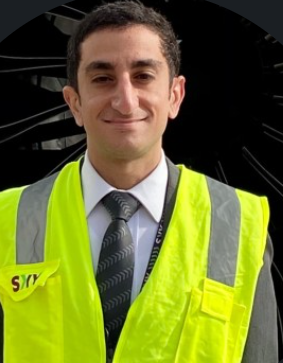 Yonathan Perelmuter · Sky Airline Yonathan Perelmuter · Sky Airline |
| 14:45 - 15:15 | SAF Market Mapping: Opportunities Across The Regions A comprehensive mapping of opportunities for the development and adoption of SAF in Latin America and the Caribbean and other regions. The session will present fiscal incentives, market entry barriers, and strategies to scale SAF production and consumption across the regions. 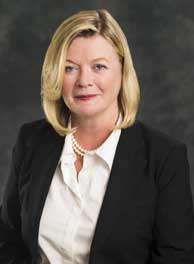 Louise Burke · Argus Media Louise Burke · Argus Media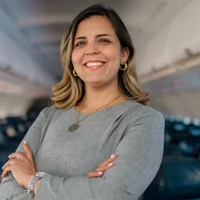 Emilia Rivadeneira · LATAM AIRLINES GROUP Emilia Rivadeneira · LATAM AIRLINES GROUP |
| 15:15 - 16:15 | Regional SAF Investment Horizons: Economic and Fiscal Opportunities Analysis of the economic and fiscal opportunities for SAF investment in the region. The discussion will cover incentives, financing models, and the roles of government and private sector in building a robust sustainable fuels market. 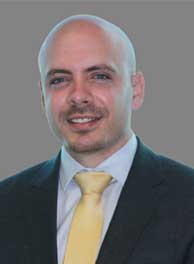 Pedro de la Fuente · IATA Pedro de la Fuente · IATA Paula Daroca · AIRBUS Paula Daroca · AIRBUS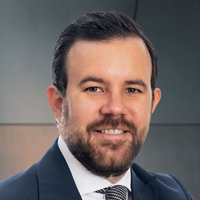 Rafael Pástor · PBP Abogados Rafael Pástor · PBP Abogados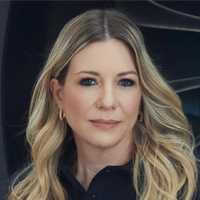 Renata Fonseca · GOL Linhas Aéreas Renata Fonseca · GOL Linhas Aéreas Elise Fox · Word Fuel Services Elise Fox · Word Fuel Services |
| 16:15 - 17:30 | Networking Session |
| 17:30 - 20:00 | Cocktail - All Participants |
| 20:00 - 20:00 | Airlines Private Dinner – (By Invitation Only) |
| 09:00 - 09:05 | Introduction and Anti-Trust and Competition Law Guidelines |
| 09:05 - 09:25 | Carbon Markets in Latin America and the Caribbean: From Regional Potential to Real Impact This keynote sets the context for the panel by examining how the design of carbon markets in Latin America and the Caribbean shapes costs, efficiency, and real‑world outcomes. It frames carbon markets as a potential game changer, when aligned with regional realities, before opening the discussion on aviation sustainability. 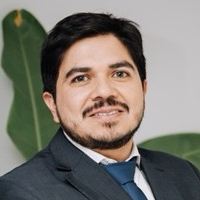 German Romero Otálora · Diorama. German Romero Otálora · Diorama. |
| 09:25 - 10:25 | Carbon Markets as a Game Changer: Shaping the Future of Aviation Sustainability in Latin America and the Caribbean This panel spotlights carbon markets and offsets as powerful tools for emissions reduction in Latin American and Caribbean aviation. Discover how the region’s natural assets and evolving policies can position it as a global leader in high-quality carbon credits. Experts will share real cases, address the challenges of scaling supply and ensuring credit integrity, and reveal how airlines and governments can leverage carbon markets and offsets to meet compliance, unlock investment, and accelerate both climate and economic progress.  Simone Pereira de Souza · BoeingGerman Romero Otálora · Diorama. Simone Pereira de Souza · BoeingGerman Romero Otálora · Diorama.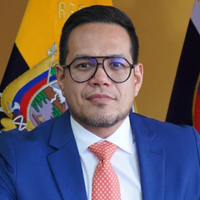 Juan Pablo Franco · DGAC Ecuador Juan Pablo Franco · DGAC Ecuador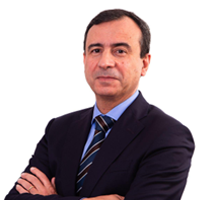 Ludovino Lopes · Ludovino Lopes Sociedade de Advogados Ludovino Lopes · Ludovino Lopes Sociedade de Advogados Marco Larson · Sky Airline Marco Larson · Sky Airline |
| 10:25 - 11:05 | Jet Fuel Outlook: What’s Next for Latin America & Caribbean? A strategic outlook on the jet fuel market, analyzing its future amid shifting oil dynamics and regional aviation growth. Expert will assess production forecasts, pricing trends, and supply chain resilience, with a focus on Latin America and the Caribbean. The presentation will explore whether jet fuel is on a path of decline or transformation, and what this means for long-term planning.  James Simpson · S&P Global Energy James Simpson · S&P Global Energy Felipe Villegas Gómez · Navitas Consultores Felipe Villegas Gómez · Navitas Consultores |
| 11:05 - 11:55 | Jet Fuel in Focus: Refining Economics, Forecasts & Supply Chain Logistics in Latin America Jet Fuel in Focus brings together refiners, regulators, and logistics providers to examine how refining economics, market fundamentals, and supply chain logistics interact to shape jet fuel pricing, reliability, and competitiveness in Latin America and the Caribbean. The panel explores the combined impact of refinery margins, crude differentials, infrastructure constraints, and shipping costs on long‑term fuel supply resilience for airlines in the region.  Alexandra Calvo · IATA Alexandra Calvo · IATA Iván Saco · Exolum Aviation Iván Saco · Exolum Aviation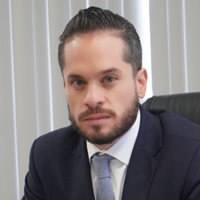 Christian Puente · Agencia de Regulación y Control de Hidrocarburos - Ecuador Christian Puente · Agencia de Regulación y Control de Hidrocarburos - Ecuador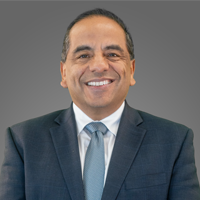 Julio Herrera · Ecopetrol Julio Herrera · Ecopetrol Juliana Gene · Organización Terpel Juliana Gene · Organización Terpel |
| 11:55 - 12:15 | Refreshment Break |
| 12:05 - 12:35 | CORSIA Pathways: Compliance, Innovation, and Impact Present the latest updates to the scheme, strategies for effective implementation, and how technological and market-based solutions—such as sustainable aviation fuels, carbon markets, and digital MRV systems—can support long-term decarbonization goals. The presentation will also highlight opportunities for regional collaboration and policy alignment to ensure a just and efficient transition for the aviation sector. Jorge Armoa · OACI SAM |
| 12:45 - 13:30 | Driving Airport Transformation: Advancing Sustainable Airport Ecosystems This panel will explore how airports are driving sustainability through integrated strategies that combine sustainable infrastructure, renewable energy, low‑emission operations, and intelligent management systems. The panel will highlight cross‑sector collaboration to reduce Scope 1, Scope 2, and Scope 3 emissions and strengthen the resilience of the airport ecosystem. |
| 13:30 - 13:40 | Closing Remarks |
| 13:40 - 16:30 | Open Networking Session |